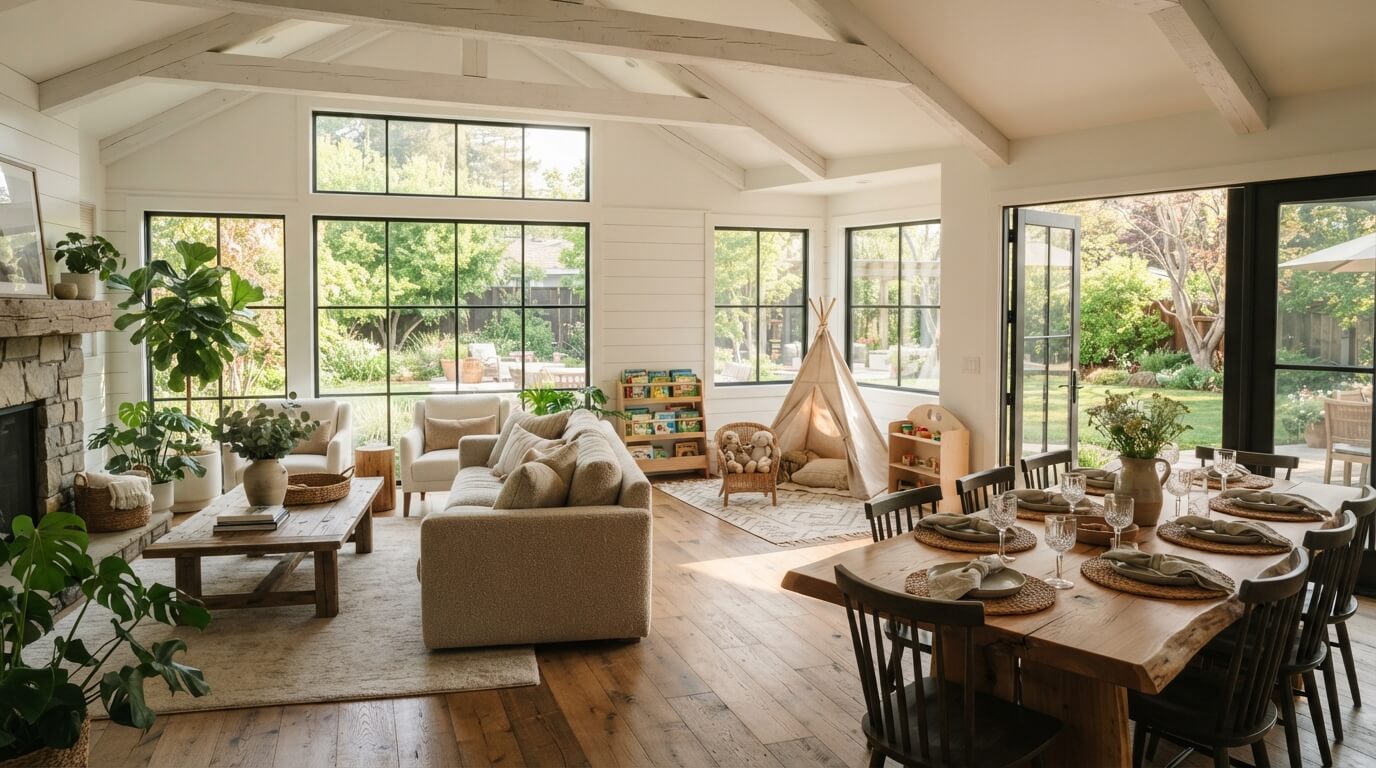
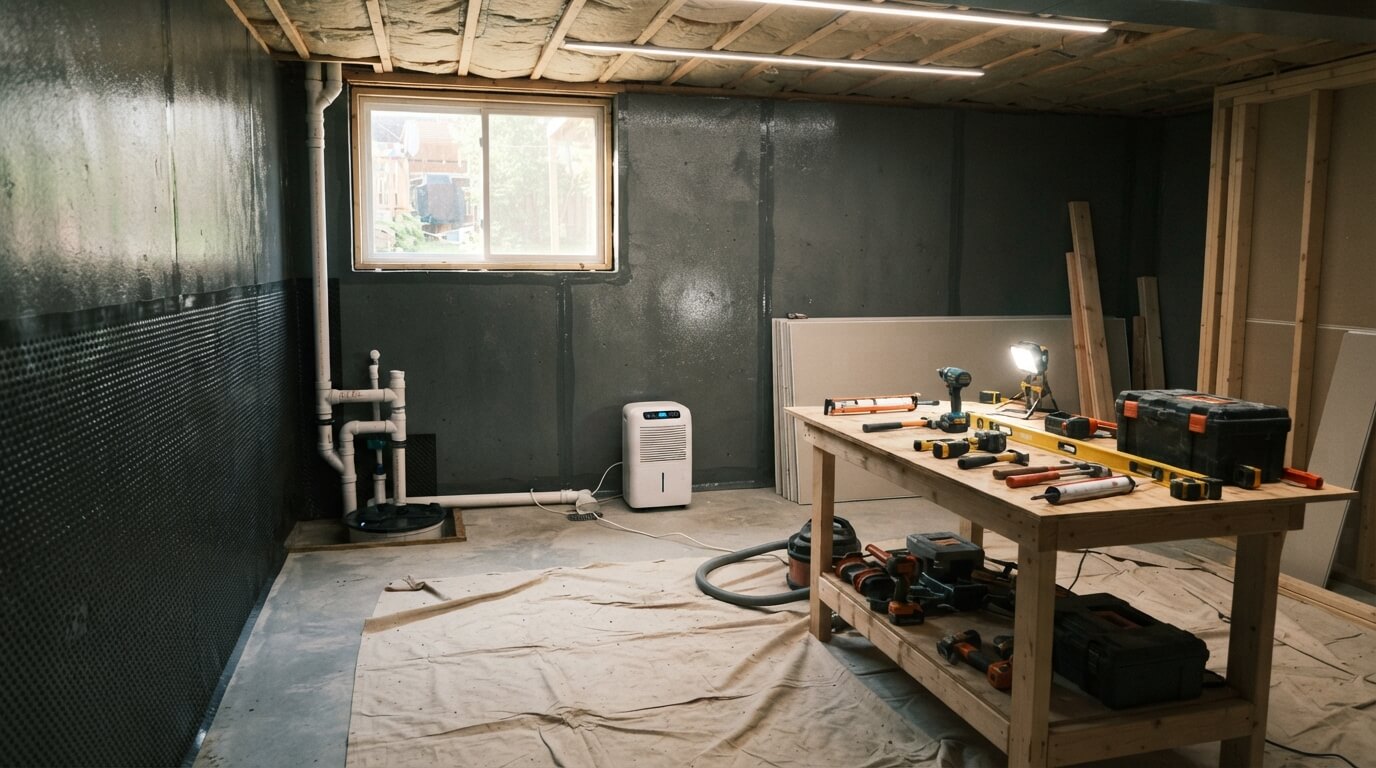
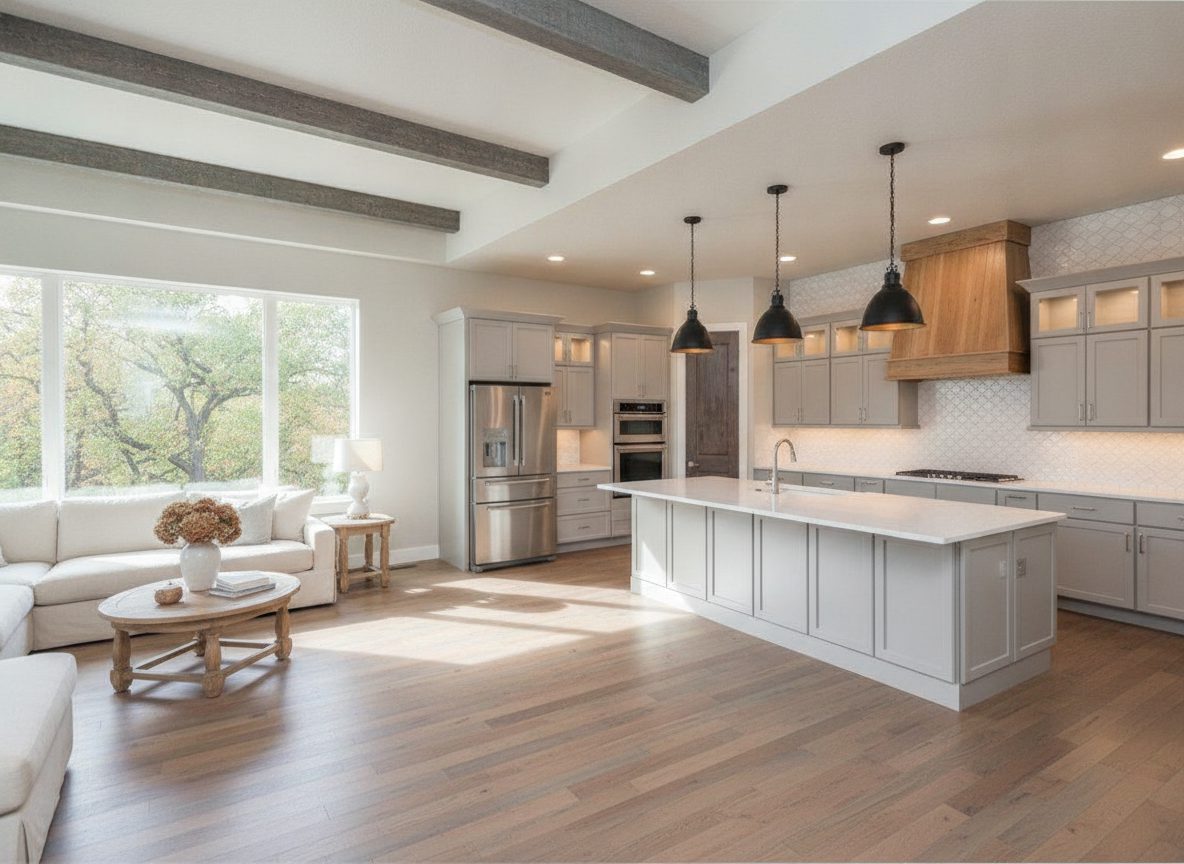
Whole-home remodeling is where the worst stories live: the contractor who took the deposit and vanished with the house half open, the six-week job that became six months, the change orders that doubled the price. Every one started with a vague scope and a big deposit. When you call this site about a bigger job, an open floor plan, a finished basement with a real bathroom, a second-floor addition, we connect you with one licensed general contractor who works across northern Westchester and Putnam, writes a scope that says what is and is not included, pulls the permit in their own name, and gets paid by milestone. Call (914) 228-6746.
If this sounds familiar
Disappeared mid-renovation
Three months into what was supposed to be six weeks and the contractor has basically disappeared, walls open, no permit, deposit gone.
Milestone payments mean money stops when work stops. The permit is in the contractor's name so the town knows who is responsible. And the referral came through here, so they answer to us too.The change orders that ate the budget
Every week another "unforeseen issue" and the final bill was a hundred thousand over the worst case.
A written scope with exclusions and allowances, and a contingency you agree to up front. Change orders are priced and signed before the work, and you can say no.The town found out
A kitchen and bath done without permits, then a fine, then a sale held up at closing.
The contractor pulls the permit for the whole job with the Town of Yorktown or your town, schedules the inspections, and the certificate of completion is yours at the end.The big-job fears, answered
Will they finish, and on the schedule?
The contractor runs one large job at a time to completion and states the crew size and the schedule in the contract. Cabinet and window lead times are dates in the contract, not surprises. You see progress against milestones, and you pay against them.
ProofSchedule and milestones in the contract. Payment follows completed work.
Will the price hold?
A scope that lists rooms, tasks, allowances and exclusions, a stated contingency for what is inside the walls of a 1970s house, and written change orders you approve first. Nothing gets added to the final invoice.
ProofWritten scope with exclusions and allowances. Change orders signed before work.
Am I hiring someone real?
Westchester home improvement license number on the contract, certificate of insurance from the insurer, recent local jobs you can ask about, and a permit pulled in the contractor's name. You check all four before a dollar moves.
ProofLicense and insurance verified before signing. Permit in the contractor's name.
What it costs, plainly
Whole-home work is priced from the scope, not the square foot. What moves it, and what is listed:
| Opening the plan | Beam sizing and an engineer for a bearing wall, plus the permit. A non-bearing wall is a fraction of that. |
|---|
| Finished basement | Framing, insulation, egress, and the bathroom with an ejector pump is the expensive part. |
|---|
| Additions and dormers | The most permit-heavy work; survey, plans, zoning check. Priced only after plans exist. |
|---|
| Kitchen plus bath together | Sequenced so the house keeps a working bathroom and a place to cook. |
|---|
| Contingency | A stated percentage for what is inside the walls, agreed up front, spent only with your signature. |
|---|
| Deposit and milestones | A fraction to start, then payments as rooms complete, the last after the punch list. |
|---|
The estimate is a scope document with a total, exclusions, allowances and the contingency. You take a week with it.
Bigger jobs in Yorktown houses
The whole-home jobs that come up here are the same three: opening the closed kitchen to the dining and living rooms of a colonial, finishing a basement properly with an egress window and a real bathroom, and adding a second-floor dormer or a master suite to a cape or split-level. Each touches structure, which means a permit with the Town of Yorktown and usually an engineer's letter. Septic houses get a check that the system can take the extra bedroom or bath. Older houses turn up cast iron drains, knob-and-tube in the attic, and asbestos tile under the kitchen vinyl, all handled as written change orders, not surprises.
What happens after you call
1
You call or send the form
Tell us the room, the town and what is bothering you. A person answers during business hours at (914) 228-6746.
2
We match you with one remodeler
Kitchens and whole-home work go to one licensed contractor, bathrooms to another. Each one works in your town, not from a call center.
3
They come measure and write it up
The contractor visits, measures, and gives you a written itemized estimate. You are under no obligation to book.
4
You decide
Compare it, ask questions, take your time. If you book, the contract and the work are between you and the contractor.
The smaller worries, answered
Handyman and smaller jobs
Many of the articles on this site are about handyman work. Small jobs that do not need a permit go to the same contractors when they are between big ones, and are priced per visit.
Design-build or architect
For an addition, plans come first. The contractor will tell you when you need an architect and when a good drafter and an engineer's letter are enough.
From the blog
Related work
Last updated September 29, 2026