
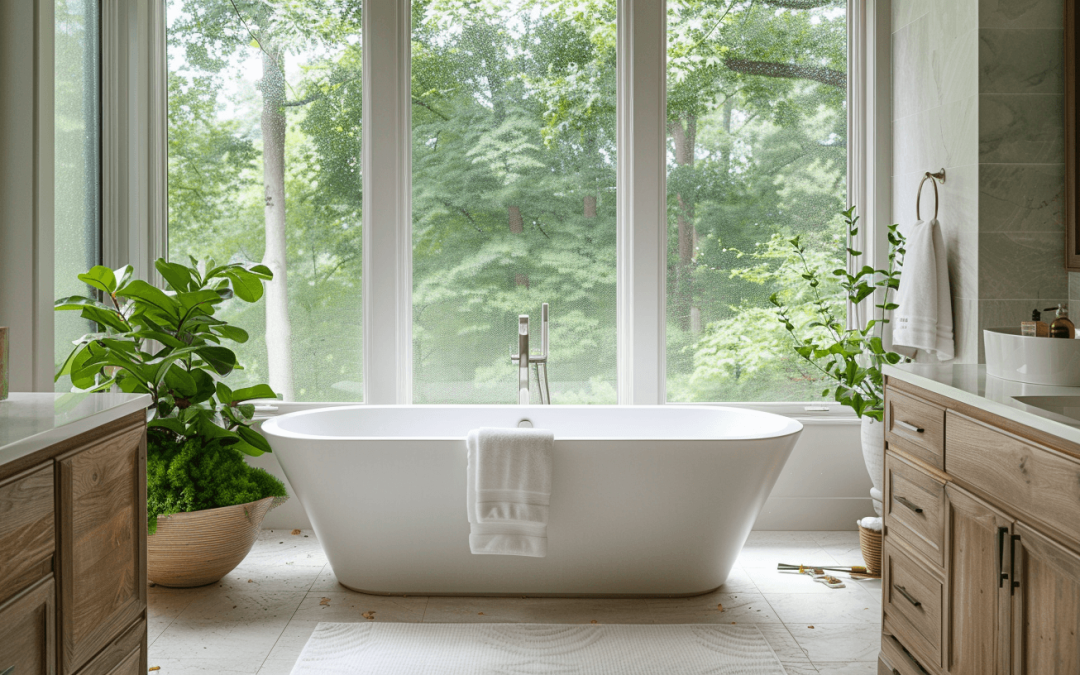
To remodel your bathroom without losing functionality, first assess your needs and prioritize essentials. Set up a temporary bathroom solution, like using a guest bath or portable toilet, stocked with necessary items. Choose the right contractor by checking reviews and verifying credentials. Establish a realistic timeline, factoring in potential delays. Finally, communicate openly with family about disruptions and temporary arrangements. Discover more tips to make your renovation smoother and maintain comfort throughout the process.
Assessing Your Needs Before the Remodel
Before diving into your bathroom remodel, have you considered what you really need from the space?
Think about how you use the bathroom daily. Are you looking for more storage, better lighting, or upgraded fixtures?
Consider the needs of everyone who uses the bathroom, including accessibility options if necessary.
Make a list of must-haves versus nice-to-haves, prioritizing functionality over aesthetics initially.
This assessment will guide your decisions and help you create a space that meets your daily demands.
Planning for Temporary Bathroom Solutions
Once you’ve assessed your needs for the bathroom remodel, it’s time to think about how you’ll manage without your usual facilities.
Consider setting up a temporary bathroom in another part of your home. A guest bathroom or even a portable toilet can work well. Stock it with essentials like toilet paper, soap, and towels.
If you’re using a portable solution, guarantee it’s easily accessible and has privacy. Communicate with your family about the changes and establish a routine.
Don’t forget to keep a stash of cleaning supplies nearby to maintain hygiene during this changeover phase. Planning ahead makes everything smoother.
Choosing the Right Contractor
Choosing the right contractor is essential for the success of your bathroom remodel, as a skilled professional can turn your vision into reality.
Start by asking for recommendations from friends or family, then research potential candidates online. Look for reviews and check their portfolios to guarantee their style matches your needs.
Don’t hesitate to interview multiple contractors; this helps you gauge their communication skills and expertise. Always ask for references and verify licenses and insurance.
Finally, get detailed estimates to compare pricing and services. The right contractor will keep your project on track and maintain your bathroom’s functionality throughout the remodel.
Establishing a Realistic Timeline
Establishing a realistic timeline for your bathroom remodel is essential, as it helps manage expectations and guarantees everything runs smoothly.
Start by evaluating the scope of your project—are you making minor updates or a complete overhaul? Factor in the time for demolition, installation, and finishing touches.
Consult your contractor for their estimated timelines, as they’ll have insights on potential delays. Consider scheduling around holidays or family events to minimize disruptions.
Finally, build in a buffer for unexpected issues, like plumbing surprises.
With a clear timeline, you’ll keep the project on track and maintain functionality throughout the remodeling process.
Communicating With Your Family and Guests
A successful bathroom remodel isn’t just about the construction; it also involves keeping your family and guests informed. Start by sharing your timeline and any potential disruptions.
Let them know which areas will be off-limits and how long this will last. Encourage them to voice any concerns or questions.
It’s also helpful to establish temporary solutions, like using another bathroom or setting up a designated space for essentials. Keeping everyone in the loop fosters understanding and patience, making the process smoother.
Frequently Asked Questions
How Can I Protect My Existing Plumbing During Construction?
To protect your existing plumbing during construction, cover pipes with plastic sheeting, secure any exposed areas, and avoid heavy impacts near plumbing.
Regularly check for leaks and make certain contractors are aware of your plumbing layout.
What Materials Are Best for a Quick Remodel?
For a quick remodel, use water-resistant materials like fiberglass or PVC for walls, ceramic tiles for durability, and quartz for countertops.
These options are both stylish and practical, ensuring your bathroom looks great and functions well.
How Do I Handle Unexpected Delays?
You can handle unexpected delays by staying flexible and communicating openly with your contractor.
Keep a backup plan handy, adjust timelines as needed, and remember to stay patient while working through unforeseen challenges together.
Can I Live in My Home During the Remodel?
Yes, you can live in your home during the remodel, but prepare for noise and dust.
Designate a separate area for daily activities, and communicate with your contractor to minimize disruptions and guarantee safety.
What Safety Measures Should I Take During Construction?
You should wear safety goggles and masks to protect against dust and debris.
Keep the area well-ventilated, secure tools and materials, and guarantee children and pets stay away from the construction zone for their safety.
Conclusion
Remodeling your bathroom doesn’t have to disrupt your daily life. By assessing your needs, planning for temporary solutions, and choosing the right contractor, you can keep functionality intact during construction. Establish a realistic timeline and maintain open communication with your family and guests to minimize inconvenience. With a little preparation and organization, you can enjoy a beautiful new bathroom without sacrificing comfort. Get started today and watch your vision come to life!