
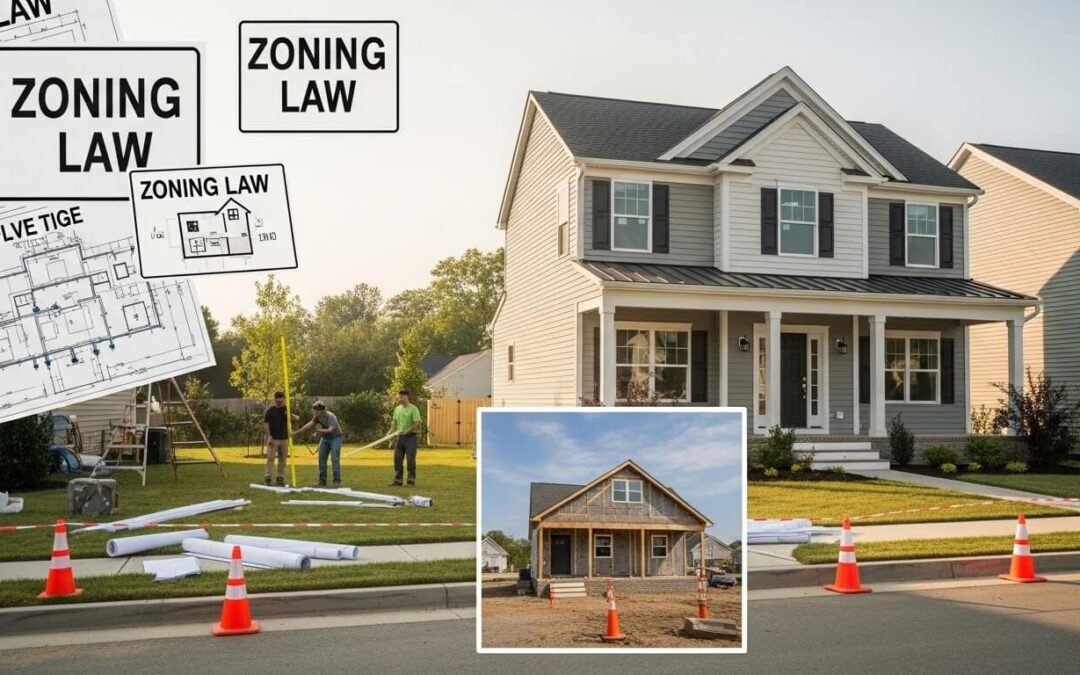
Westchester’s zoning laws can greatly affect your remodeling project by dictating building height, setbacks, and permitted uses. You’ll need to make certain your plans comply with local regulations to avoid fines or required changes. Don’t forget to check lot coverage and parking requirements too, as these can influence your design options. For a smoother process, familiarize yourself with the zoning codes applicable to your property. There’s more to uncover about traversing these regulations effectively.
Understanding Zoning Regulations in Westchester
Have you ever wondered how zoning regulations can impact your remodeling plans in Westchester? Understanding these regulations is essential before diving into your project.
Zoning laws dictate how you can use your property, including restrictions on building height, setbacks, and land use. They vary by neighborhood, so what works in one area mightn’t in another.
You’ll need to check local codes to guarantee your plans comply. Failing to do so can lead to fines or required alterations.
Key Zoning Considerations for Home Additions
When planning a home addition, it’s essential to take into account key zoning regulations that can greatly influence your project.
You’ll want to examine setback requirements, which dictate how far your addition must be from property lines.
Also, pay attention to height restrictions that could limit your design.
Lot coverage is another important factor; it determines how much of your property can be built upon.
Finally, don’t overlook parking requirements, as they can affect your layout.
Understanding these zoning considerations will help guarantee your addition complies with local regulations, avoiding delays and potential fines down the road.
Permitted Uses and Restrictions in Residential Areas
Understanding the permitted uses and restrictions in residential areas is essential for homeowners planning any changes to their property.
Zoning laws dictate what you can and can’t do, affecting everything from the type of structures you can build to how far they must be from property lines. You might be limited in the height of your additions or the materials you can use.
Additionally, certain activities, like running a business from home, may have restrictions. Always check local ordinances to guarantee your project aligns with the zoning code, avoiding potential fines or required alterations later on.
Stay informed and compliant!
Navigating the Permit Application Process
Once you’ve confirmed your project complies with local zoning laws, the next step is steering through the permit application process.
Start by gathering all necessary documentation, including site plans and project descriptions. Submit your application to the appropriate local building department, and be prepared for potential fees.
It’s essential to follow any specific submission guidelines to avoid delays. After submission, you may need to attend public hearings or respond to feedback from officials or neighbors.
Stay organized and keep track of deadlines to guarantee a smooth process. Remember, patience is key as permits can take time to be approved.
Tips for Staying Compliant With Local Zoning Laws
To guarantee your remodeling project stays compliant with local zoning laws, it’s essential to familiarize yourself with the specific regulations that apply to your property.
Start by checking your local zoning map to understand your property’s classification. Verify setback requirements, height restrictions, and allowable uses. Always obtain necessary permits before beginning work, and consider consulting a local architect or zoning expert for guidance.
Keep open communication with your neighbors to address any concerns. Finally, document all aspects of your project to guarantee compliance and avoid potential disputes.
Staying informed and proactive can save you time and money in the long run.
Frequently Asked Questions
How Can I Find My Property’s Zoning Classification?
You can find your property’s zoning classification by visiting your local government’s website or planning department.
They typically provide zoning maps and property information.
You might also contact them directly for specific inquiries about your property.
What Are the Penalties for Zoning Violations in Westchester?
If you violate zoning laws in Westchester, you could face fines, orders to stop work, or even removal of unauthorized structures.
It’s essential to check regulations before starting any project to avoid these penalties.
Can I Appeal a Zoning Decision Made by the Board?
Yes, you can appeal a zoning decision made by the board.
You’ll need to submit your appeal within a specific timeframe, providing necessary documentation to support your case.
Consult local regulations for detailed procedures.
Are There Any Zoning Changes Planned in My Neighborhood?
You can check with your local planning department or visit their website for information on any planned zoning changes in your neighborhood.
Staying informed helps you understand potential impacts on your property and future projects.
How Do Zoning Laws Affect Property Value in Westchester?
Zoning laws can considerably impact your property value in Westchester.
They dictate land use, density, and design, which can either enhance or limit your property’s appeal and marketability, ultimately influencing its worth in the real estate market.
Conclusion
In conclusion, understanding Westchester’s zoning laws is crucial for your remodeling project. By being aware of key considerations, permitted uses, and restrictions, you can avoid costly mistakes. Navigating the permit application process might seem daunting, but staying compliant ensures your project runs smoothly. Remember to research local regulations and consult with professionals when needed. With the right knowledge, you can transform your home while adhering to the rules that keep your community thriving.