
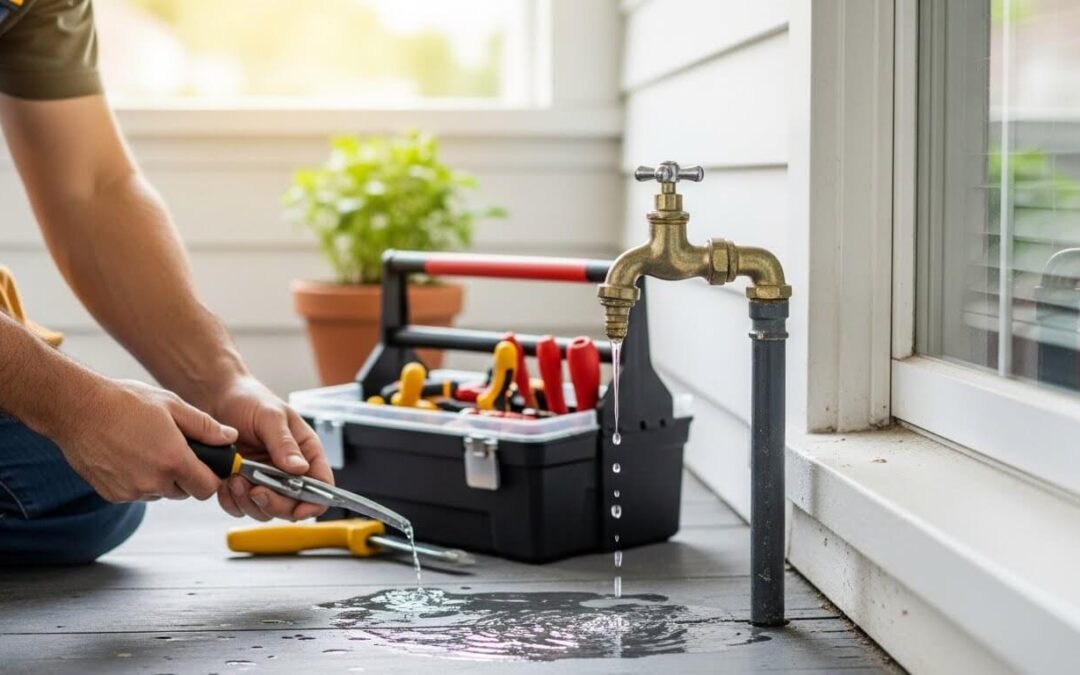
You might not realize how much money you can save by tackling overlooked handyman tasks. Sealing drafts improves energy efficiency and cuts down on heating bills. Regular gutter maintenance prevents costly water damage. Updating weatherstripping on doors and windows keeps your home insulated. Don’t forget to inspect and clean smoke detectors for safety, and check caulking in kitchens and bathrooms to avoid leaks. Discover more simple tasks that can save you money and enhance your home’s value.
Sealing Drafts to Improve Energy Efficiency
As the seasons change, you might notice chilly drafts sneaking into your home, making it uncomfortable and driving up energy bills.
To combat this, start by inspecting windows and doors for gaps. A simple caulking job can seal those leaks effectively.
Don’t forget to check weather stripping; replacing worn-out strips can make a significant difference.
You should also look at electrical outlets and light switches, as they can be unexpected sources of drafts. Use foam gaskets to insulate these areas.
Regular Gutter Maintenance to Prevent Water Damage
When you neglect regular gutter maintenance, you risk serious water damage to your home. Clogged gutters can’t effectively channel rainwater away, leading to overflowing and pooling around your foundation.
This excess moisture can cause costly issues like mold growth, wood rot, and even structural damage. To avoid these problems, you should clean your gutters at least twice a year, ensuring they’re free from debris like leaves and dirt.
Additionally, inspect your downspouts for blockages. By staying on top of gutter maintenance, you protect your home and save money in the long run, preventing expensive repairs that could arise from water damage.
Updating Weatherstripping on Doors and Windows
Updating weatherstripping on doors and windows can make a significant difference in your home’s energy efficiency.
Over time, weatherstripping wears out, allowing drafts to sneak in and your heating or cooling to escape. By replacing old, damaged strips, you’ll keep your home comfortable while reducing energy bills.
Start by inspecting all entry points for gaps or cracks. Choose the right weatherstripping material for each area, whether it’s foam, vinyl, or felt. Proper installation is key, so make sure it fits snugly.
Taking this simple step not only enhances comfort but also protects your wallet in the long run.
Inspecting and Cleaning Smoke Detectors
Maintaining a safe home goes beyond just sealing drafts; it also involves ensuring your smoke detectors are in top shape.
Regularly inspect each detector for dust and debris, as these can interfere with their function. Clean them gently with a vacuum or a damp cloth to keep them operational.
Don’t forget to test the alarms monthly by pressing the test button; if it doesn’t sound, replace the batteries.
Ideally, you should replace smoke detectors every ten years.
Checking and Repairing Caulking in Bathrooms and Kitchens
Caulking plays an essential role in keeping your bathrooms and kitchens free from water damage and mold. Over time, caulk can crack or peel, creating gaps that let moisture seep in.
Regularly check the caulking around sinks, tubs, and countertops for signs of wear. If you notice any damage, don’t wait—repair it promptly!
Removing old caulk is simple; just use a utility knife and apply new caulk evenly. This task not only maintains your home’s appearance but also prevents costly water damage repairs down the line.
Investing a little time now saves you money and stress later on.
Frequently Asked Questions
How Often Should I Check My Gutters for Debris?
You should check your gutters for debris at least twice a year, ideally in spring and fall.
Regular inspections prevent clogs, protect your home’s foundation, and save you from costly repairs down the road.
What Tools Do I Need for Caulking Repairs?
You’ll need a caulking gun, a utility knife, painter’s tape, a putty knife, and a damp cloth for caulking repairs.
These tools guarantee a smooth application and clean finish for your project.
Don’t forget safety gear!
How Can I Tell if My Weatherstripping Needs Replacing?
You can tell if your weatherstripping needs replacing by checking for drafts, visible wear, or damage.
If it feels brittle or crumbles easily, it’s time to replace it to maintain energy efficiency in your home.
Are There Signs of Smoke Detector Failure I Should Watch For?
Yes, watch for chirping sounds, flashing lights, or a persistent red light.
If your smoke detector doesn’t respond when tested, it’s time to replace it.
Regular checks keep you and your home safe.
What Sealing Materials Are Best for Energy Efficiency?
For energy efficiency, use weatherstripping, caulk, and spray foam insulation.
These sealing materials help prevent drafts, reduce energy costs, and maintain consistent indoor temperatures.
Don’t underestimate their impact on your home’s overall efficiency!
Conclusion
By tackling these often-overlooked handyman tasks, you can save money and enhance your home’s efficiency. Sealing drafts, maintaining gutters, updating weatherstripping, inspecting smoke detectors, and repairing caulking might seem minor, but they can make a significant difference in your home’s comfort and safety. Don’t wait for problems to arise—take proactive steps today. You’ll not only protect your investment but also enjoy a more efficient and secure living space for you and your family.